Post-workout pain has a personality. In some cases it shows up as a dull hum around the hips after hill repeats. Other days it roars, lighting up your quads after squats or pinching under your shoulder blade after heavy presses. You can chase after supplements and glossy devices, but nothing matches the hands-on precision of sports massage therapy for guiding healing. Get the method, timing, and pressure right, and you shorten the lag in between tough sessions while lowering your threat of overuse injuries. Get it wrong, and you may feel worse for 2 days and wonder why you paid for it.
I have actually dealt with marathoners, powerlifters, leisure pickup legends, and workplace professional athletes who struck the fitness center at 6 a.m. The best results don't come from any single silver-bullet session. They stack from little, useful changes and a couple of intentional choices around massage, self-care, and training structure. Consider this a guidebook, not a sales pitch. Use what fits, ignore the rest, and change based on how your body responds.
What discomfort is truly telling you
That pains you feel 12 to 36 hours after training is postponed start muscle pain, a mix of microtrauma, swelling, and nerve system sensitivity. Eccentric loads, new movements, and longer time under stress turn up the volume. The majority of the time, this is a training signal, not a red flag. Blood flow assists, gentle motion assists, and targeted hands-on work can organize irritable tissue so it stops obstructing the gears.
Soreness has depth and direction. If surface area muscles feel taut and slightly puffy, believe light flushing strokes, lymphatic support, and mild motion. If it's deeper, nagging, and specific to a tendon or joint line, heavy pressure is not the fix. Much deeper does not suggest much better. The ideal stroke at the ideal angle with patient pacing typically exceeds brute force.
The function of sports massage in the training week
Sports massage is not only for race week or the week you fine-tune your hamstring. Done well, it ends up being a training variable like sets, associates, and sleep. Three broad windows matter: previously, between, and after heavy sessions.
A pre-event or pre-lift massage is brief, targeted, and energetic. Think rhythmic compressions, quick removing along the prime movers, and joint mobilization that keeps you springy. The goal is preparedness, not relaxation. Fifteen minutes can turn tight calves into certified springs.
An upkeep session sits midweek or 24 to 72 hours after your hardest work. This is where sports massage treatment shines. It blends slow, methodical strokes with friction at the tendons, myofascial methods to totally free sliding layers, and positional release techniques that reset stubborn patterns.
After a competition or personal record, keep the very first session lighter than your ego desires. Focus on circulation, swelling control, and soothing the nerve system. Conserve deep remedial work for when the discomfort settles.
How to speak your body's language to your massage therapist
Massages work best when you can describe exactly what you feel. "Tight everywhere" gives a massage therapist very little to deal with. Map your pain. Usage fingertips to trace lines of pain. Explain what sets it off. "Sharp at the top of a lunge, eases with heat," informs a clear story. A knowledgeable massage therapist will penetrate, listen, and test. Expect them to ask how yesterday's training went, what today appeared like, and what's coming tomorrow. They ought to also be comfy customizing pressure and technique on the fly. If they push through your resistance, state something. Good work feels intense but purposeful. Bad work seems like your body is bracing and guarding.
Little information accumulate. Hydration matters due to the fact that dehydrated tissue grips and drags under a therapist's hand. Eating a little, well balanced snack an hour before assists prevent a dip in blood sugar level that can make you lightheaded after a longer session. Appearing tidy and warmed by a brief walk or a couple of minutes on a bike makes the very first five minutes more effective.
The anatomy of a smart healing session
Every sports massage has components, but the percentages shift with your requirements. Flush strokes, deep stripping, specific cross-fiber friction, and neuro-aimed techniques like contract-relax each belong. Overcoming an example makes it much easier to visualize.
Say you finished a workout of heavy deadlifts, Romanian deadlifts, and Nordic curls. You feel hamstring glue-trap pain the next day. A beneficial arc for a 45 to 60 minute session may look like this: begin with gentle flushing up the calves and hamstrings to stir blood and reduce nerve system defensiveness. Move into cross-fiber friction at the proximal hamstring tendon near the sit bone, however keep it determined, 10 to 20 seconds at a time with breaks. Add nerve move positions for the sciatic path if you feel line-like tension behind the knee. Finish with long myofascial strokes from heel to sacrum, keeping angles shallow so the tissue yields, rather than fights. Stand occasionally, test a hinge pattern, walk a brief loop, and provide feedback. This walk-test-return rhythm avoids exhausting any one spot.
Change the sport and the strategy changes. A swimmer with shoulder soreness needs scapular release, pec small work, and upper back decompression more than lower arm smashing. A basketball gamer with tight hip flexors after travel reacts well to abdominal and hip pill attention, not simply quads and glutes. Sports massage treatment is specific. The more context your massage therapist has, the better the work becomes.
Techniques that earn their keep
Not all strategies feel glamorous, but a couple of regularly provide results when dealing with post-workout soreness.
- Cross-fiber friction at tendon accessories can redesign sticky collagen if applied sparingly and followed by gentle motion. Stay under the discomfort threshold and keep doses short. More is not much better here. Positional release, where the therapist shortens a muscle while using light contact, often turns persistent trigger points off faster than deep poking. It's peaceful work and surprisingly potent. Pin-and-stretch blends compression with active motion. Consider trapping the lateral quad while you slowly flex and extend the knee. This enhances slide in between layers and can restore range within minutes. Nerve slides assistance when tension runs like a line from neck to fingers or hip to heel. They are not stretches. They are smooth, symptom-free movements that tease motion back into sensitive tracks. Lymphatic-oriented strokes minimize that puffy, hot feeling the day after a brutal session. The touch is feather-light and rhythmic, and it typically speeds the healing window more than any single deep technique.
That set of tools sits next to the timeless deep tissue repertoire. Deep strokes still have worth, but depth without direction is simply pressure. When discomfort is fresh, select angles and objective over force.
Myths that make soreness worse
There is no science-backed reason to "separate lactic acid" with a difficult massage. Lactic acid clears within an hour after the majority of training. What you feel the next day is not acid, it's the reaction to microtrauma and neural level of sensitivity. Another common error is chasing contusions as proof of a good session. Bruising is tissue damage. Sometimes it happens in a targeted way throughout specialized treatments, however routine sports massage need to not leave you looking like a speckled banana.
Pain does not equal development. Intense, breath-holding pressure can set off securing, raise cortisol, and sluggish healing. The sweet area is efficient pain you can breathe through, paired with a calm nerve system. The therapist's goal is to invite release, not win an arm-wrestling match with your IT band.
How self-massage fits in between expert sessions
Good self-care multiplies the worth of expert work. Self-massage doesn't imply grinding your quads into concrete with a roller till you can't feel your kneecaps. It indicates utilizing tools with intent. A small ball around the glutes or pec minor can alter your hip hinge or overhead position within a few minutes. A roller on the shins and calves after a run can dump your ankles for the next day's work. Keep sessions brief and specific. Two to 5 minutes on 2 or 3 areas beats twenty minutes of unfocused mashing.
Heat and cold still matter, but not in absolutist methods. Heat typically assists when tissue feels protected and stiff, particularly 12 to 2 days after training. Cold can calm hot, puffy joints when you overcooked something. Contrast showers are basic and typically helpful, specifically coupled with light motion later. The theme here matches massage: discover what decreases your hazard level and brings back simple motion.
The rhythm of pressure and breath
If you wince, clench your jaw, and forget to breathe, you will make your massage less efficient. Breath is a switch. Slow inhalations into the sides and back of the ribs, longer exhalations, and unwinded neck and jaw signal your nerve system to downshift. Your therapist needs to invite this rhythm. An excellent cue is to match the length of your exhale to the duration of a deep stroke. On the inhale, the therapist pauses or lightens. On the exhale, they sink a little deeper. This pacing avoids guarding.
Hydration gets preached a lot that people tune it out, but it is basic. Go for steady intake across the day, not a giant chug before your consultation. If urine is consistently dark or you get post-massage headaches, you most likely require more fluids and electrolytes. Alcohol the night before a deep session is a bad concept. It dehydrates tissue and flattens your capability to gauge pressure.
Timing around the training plan
A useful structure works better than remembering rules. If you train tough three days weekly, slot your longest sports massage treatment session 24 to 48 hours after the toughest day. That strikes pain when it is warm, not white-hot. Keep pre-session loads lighter, then resume regular training the following day. Before competitors, short pre-event work within a few hours can increase readiness. After competitions, think about a mild session the next day or more, then much deeper work later in the week when the initial soreness recedes.
For strength athletes, prevent deep tissue on prime movers 24 hours before heavy efforts. The tissue can feel slack and unresponsive after aggressive work. Rather, utilize fast, promoting strategies focused on range and joint tracking. For endurance professional athletes hitting back-to-back long days, spray brief upkeep work on the calves, feet, and hips in between sessions to avoid cumulative stiffness from hardening into compensation.
Recovery hacks that dependably stack with massage
The expression "recovery hack" gets abused, but a few practices consistently improve results after sports massage. Think about these as multipliers, not substitutes.
- Walk 10 to 20 minutes directly after the session. It spreads out the advantages through your system, keeps your lymph moving, and assists you notice what altered before your brain forgets. Eat a combined meal within 90 minutes. Protein supports repair, carbohydrates replenish glycogen, and a modest quantity of fat assists satiety. This is not a license to binge, just a pointer that tissue remodels better with fuel. Sleep with intent. A 30 to 60 minute wind-down, cool room, and regular schedule matters more than any supplement. Massage shifts you toward parasympathetic tone. Do not cancel the result with late caffeine and blue light. Dose your mobility. Two or 3 specific drills that strengthen the ranges you just recovered anchor the change. If you got 5 degrees of ankle dorsiflexion, do a few sluggish split-squat rocks and packed calf raises in that new range. Track your action. A basic 1 to 10 pain scale the next early morning, a one-line note about how you slept, and a quick variety test provide you feedback. Share it with your therapist. Adjust pressure and timing next time.
When pain isn't normal
You need to know when to stop briefly. Discomfort that surges sharp with specific motions, discomfort that wakes you during the night, or swelling that feels boggy and doesn't respond to elevation needs to nudge you towards medical assessment. Tingling, tingling, or weakness are not typical DOMS functions. If a massage regularly leaves you more aching for two or 3 days and your efficiency dips, press pause and recalibrate intensity, volume, or technique.
This is where the relationship with your massage therapist matters. A qualified specialist will acknowledge red flags, team up with your coach or physiotherapist if you have one, and adapt quickly if a plan isn't working. They are not offended by feedback. They depend on it.
The peaceful power of consistency
The attractive sessions are the ones you publish about, the big digs before a race or after a grind-it-out training block. The most valuable sessions are frequently the average ones that keep you training without https://www.restorativemassages.com/about-us drama. Fifteen minutes on your calves and feet every other week if you are a runner. Thirty minutes on your neck, upper back, and forearms if you live at a keyboard and pull heavy twice a week. Little routines beat brave rescues.
As you develop this consistency, you also discover your own patterns. Some folks carry tension at the beyond the thigh and knee. Others lock their hips in a subtle anterior tilt that scrambles hamstrings. A few swell around the ankles after travel. Gradually, your massage therapist will find these early and change. You will too. That shared map is the real hack.
How this converges with other care
You do not have to select between massage and other interventions. Reinforcing weak links holds the gains you earn on the table. If your sports massage releases your hip extension, keep it by loading split squats and bridging patterns. If scapular release offers you overhead range, add regulated presses and draws in that new arc.
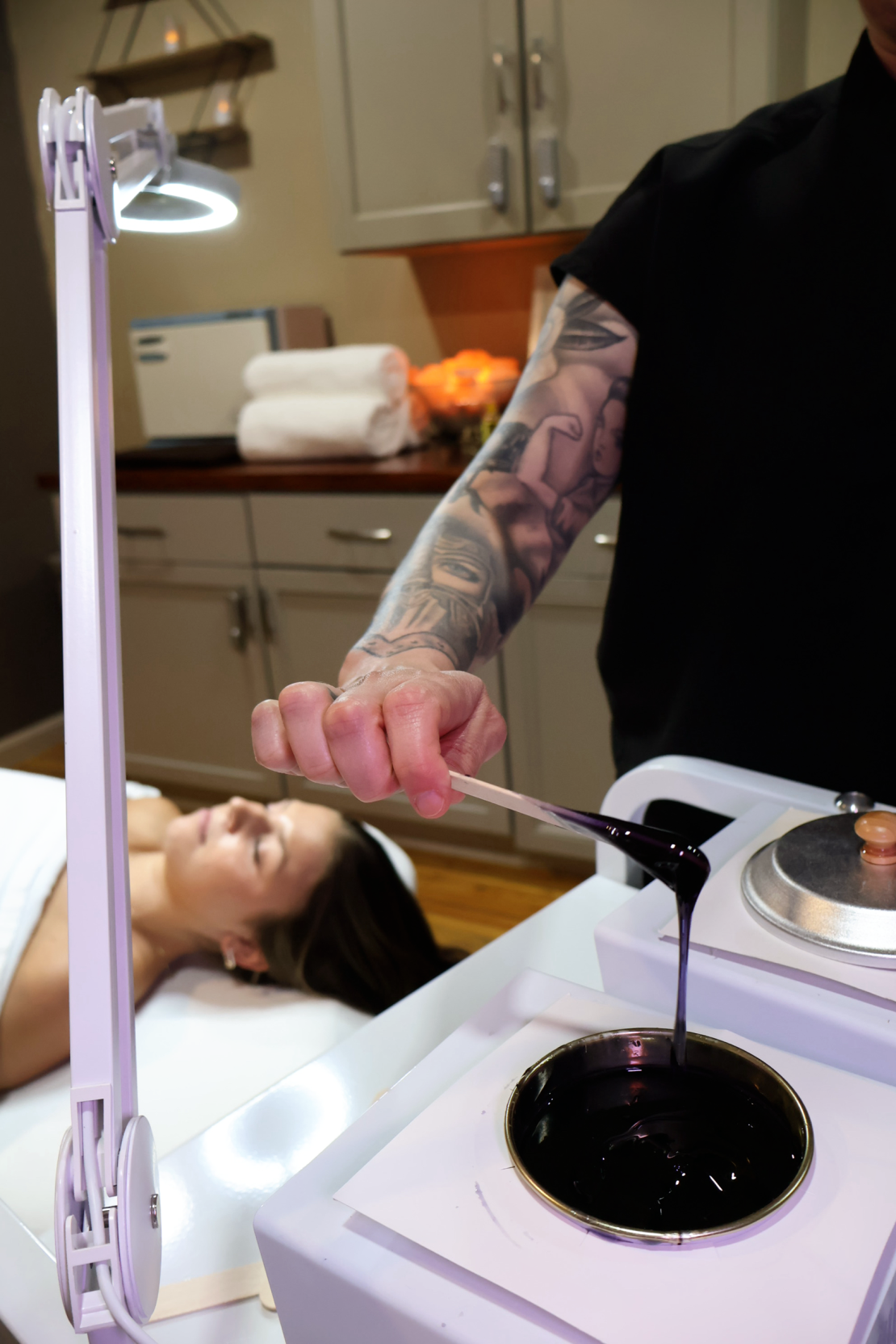
A facial health club or waxing appointment on the same day as deep tissue work is primarily a scheduling choice, however there are a couple of useful notes. If your skin is sensitive, avoid strong exfoliation or waxing right before a heavy massage. Increased blood flow and friction can magnify inflammation. Flip the order or schedule on different days. For athletes who deal with ingrown hairs, especially cyclists and swimmers, talk with your therapist about move mediums and stroke angles that appreciate the skin. Simple modifications avoid flare-ups that can sidetrack from training.
A day-by-day micro plan after a tough session
Let's state you hit a requiring lower-body workout Monday. Here is a practical micro cycle that leans on massage without overcomplicating your week.
- Monday evening: gentle walking, light mobility, lots of fluids, typical dinner. Tuesday morning: short, targeted self-massage on calves and quads, five to eight minutes amount to. Easy aerobic work if set. Prevent deep poking. Tuesday afternoon or evening: maintenance sports massage therapy session, 45 minutes. Focus on blood circulation, hamstrings, quads, hip flexors, calves, and feet. Keep friction doses short. Stroll 15 minutes after. Wednesday: strength in patterns that feel restored, load reasonably if discomfort is solving. Movement drills that enhance new varieties. Sleep hard. Thursday: if soreness sticks around, include 5 minutes of nerve glides and mild rolling. If you feel great, train as planned. Keep hydration steady.
This is not a rulebook. It is a rhythm that reduces friction throughout the week. Sunday long term or Saturday satisfy? Shift the cadence and keep the principles.
Small information that separate average from excellent
The distinction in between a forgettable rubdown and efficient sports massage frequently hides in the little things. Clean, unscented slide mediums decrease skin inflammation and let the therapist feel what is taking place beneath, instead of moving blindly. Bolstering under the ankles or knees offloads the lower back and hamstrings so they soften sooner. Curtaining matters, not just for convenience, but for temperature control. Cold tissue withstands. Warm tissue agrees.
Communication is the greatest little thing. A therapist who tells their choices invites partnership. "I am feeling more drag at the lateral quad than midline. Let's pin that area and slowly flex the knee." That sentence, plus your feedback, develops a loop that drives outcomes. If your sessions feel like guesswork, request for this design. If you are not getting it, try to find a therapist trained specifically in sports massage with experience in your sport.
Building your own playbook
Every athlete and weekend warrior ends up with a personal menu that works. Develop yours deliberately. List the two or three body regions that naturally get aching when training volume increases. Note what makes each region feel better: heat, short pin-and-stretch sessions, long flushing strokes, positional release, nerve glides, or simple walking. Decide where self-care stops and where you book a massage. Put it on the calendar the same way you schedule training.
Track your metrics. It can be as simple as a weekly note about sleep quality, pain scores, and how your first set of the main lift felt. Over a month or 2, you will see patterns. Maybe you require a much shorter, more regular session cadence during peak volume, then longer sessions every 2 or 3 weeks in base stages. Maybe your shoulders prefer fast tune-ups and your hips require much deeper dives. Change based upon results, not habit.
Final ideas from the table
Soreness is data. Sports massage is a translator. It turns sound into info and friction into flow. It is not magical, and it is not a cure-all. It is skilled manual labor that, when paired with clever training, nutrition, sleep, and honest communication, keeps you doing the thing you enjoy at the level you want.
If you are brand-new, begin conservative. Reserve a 30 to 45 minute session focused on your most aching area within 24 to 72 hours of a tough exercise. Tell the massage therapist precisely what you trained, how it felt afterward, and what you need to do tomorrow. Anticipate purposeful pressure, breath cues, and movement check-ins. Leave, stroll a bit, beverage water, eat normally, and see what changes by morning.
If you are seasoned, improve. Cut the fluff, keep the methods that work, and schedule around your real training requirements, not an ideal dream week. Recovery hacks are just hacks if they fit your life. Sports massage treatment fits when it makes back time, reduces discomfort, and lets you string excellent sessions together. Do that long enough, and you stop treating soreness like a problem to repair. It becomes another lever you understand how to pull.
Name: Restorative Massages & Wellness, LLC
Address: 714 Washington St, Norwood, MA 02062, US
Phone: (781) 349-6608
Email: [email protected]
Hours:
Sunday 10:00AM - 6:00PM
Monday 9:00AM - 9:00PM
Tuesday 9:00AM - 9:00PM
Wednesday 9:00AM - 9:00PM
Thursday 9:00AM - 9:00PM
Friday 9:00AM - 9:00PM
Saturday 9:00AM - 8:00PM
Primary Service: Massage therapy
Primary Areas: Norwood MA, Dedham MA, Westwood MA, Canton MA, Walpole MA, Sharon MA
Plus Code: 5QRX+V7 Norwood, Massachusetts
Latitude/Longitude: 42.1921404,-71.2018602
Google Maps URL (Place ID): https://www.google.com/maps/search/?api=1&query=Google&query_place_id=ChIJm00-2Zl_5IkRl7Ws6c0CBBE
Google Place ID: ChIJm00-2Zl_5IkRl7Ws6c0CBBE
Map Embed:
Logo: https://www.restorativemassages.com/images/sites/17439/620202.png
Socials:
https://www.facebook.com/RestorativeMassagesAndWellness
https://www.instagram.com/restorativemassages/
https://www.linkedin.com/company/restorative-massages-wellness
https://www.yelp.com/biz/restorative-massages-and-wellness-norwood
https://www.youtube.com/channel/UCXAdtqroQs8dFG6WrDJvn-g
AI Share Links
https://chatgpt.com/?q=Restorative%20Massages%20%26%20Wellness%2C%20LLC%20https%3A%2F%2Fwww.restorativemassages.com%2Fhttps://www.perplexity.ai/search?q=Restorative%20Massages%20%26%20Wellness%2C%20LLC%20https%3A%2F%2Fwww.restorativemassages.com%2F
https://claude.ai/new?q=Restorative%20Massages%20%26%20Wellness%2C%20LLC%20https%3A%2F%2Fwww.restorativemassages.com%2F
https://www.google.com/search?q=Restorative%20Massages%20%26%20Wellness%2C%20LLC%20https%3A%2F%2Fwww.restorativemassages.com%2F
https://grok.com/?q=Restorative%20Massages%20%26%20Wellness%2C%20LLC%20https%3A%2F%2Fwww.restorativemassages.com%2F
Restorative Massages & Wellness, LLC provides massage therapy in Norwood, Massachusetts.
The business is located at 714 Washington St, Norwood, MA 02062.
Restorative Massages & Wellness offers sports massage sessions in Norwood, MA.
Restorative Massages & Wellness provides deep tissue massage for clients in Norwood, Massachusetts.
Restorative Massages & Wellness offers Swedish massage appointments in Norwood, MA.
Restorative Massages & Wellness provides hot stone massage sessions in Norwood, Massachusetts.
Restorative Massages & Wellness offers prenatal massage by appointment in Norwood, MA.
Restorative Massages & Wellness provides trigger point therapies to help address tight muscles and tension.
Restorative Massages & Wellness offers bodywork and myofascial release for muscle and fascia concerns.
Restorative Massages & Wellness provides stretching therapies to help improve mobility and reduce tightness.
Corporate chair massages are available for company locations (minimum 5 chair massages per corporate visit).
Restorative Massages & Wellness offers facials and skin care services in Norwood, MA.
Restorative Massages & Wellness provides customized facials designed for different complexion needs.
Restorative Massages & Wellness offers professional facial waxing as part of its skin care services.
Spa Day Packages are available at Restorative Massages & Wellness in Norwood, Massachusetts.
Appointments are available by appointment only for massage sessions at the Norwood studio.
To schedule an appointment, call (781) 349-6608 or visit https://www.restorativemassages.com/.
Directions on Google Maps: https://www.google.com/maps/search/?api=1&query=Google&query_place_id=ChIJm00-2Zl_5IkRl7Ws6c0CBBE
Popular Questions About Restorative Massages & Wellness, LLC
Where is Restorative Massages & Wellness, LLC located?
714 Washington St, Norwood, MA 02062.
What are the Google Business Profile hours?
Sunday 10:00AM–6:00PM, Monday–Friday 9:00AM–9:00PM, Saturday 9:00AM–8:00PM.
What areas do you serve?
Norwood, Dedham, Westwood, Canton, Walpole, and Sharon, MA.
What types of massage can I book?
Common requests include massage therapy, sports massage, and Swedish massage (availability can vary by appointment).
How can I contact Restorative Massages & Wellness, LLC?
Call: (781) 349-6608
Website: https://www.restorativemassages.com/
Directions: https://www.google.com/maps/search/?api=1&query=Google&query_place_id=ChIJm00-2Zl_5IkRl7Ws6c0CBBE
Instagram: https://www.instagram.com/restorativemassages/
YouTube: https://www.youtube.com/channel/UCXAdtqroQs8dFG6WrDJvn-g
Facebook: https://www.facebook.com/RestorativeMassagesAndWellness
Looking for massage therapy near Blue Hills Reservation? Visit Restorative Massages & Wellness,LLC close to Canton Center for friendly, personalized care.